Syllabus Subjects & Study Modules
To succeed in Telangana Group I, II, III, and IV competitive examinations, building a structured subject-wise foundation is crucial. The TSPSC exam syllabus spans multiple papers, covering core areas like General Studies, History & Statehood of Telangana, Indian Constitution & Politics, and Economy & Development.

General Studies & General Abilities
సాధారణ అధ్యయనాలు & సాధారణ సామర్థ్యాలు
Curriculum modules for General Studies & General Abilities.
సాధారణ అధ్యయనాలు మరియు సాధారణ సామర్థ్యాలకోసం పాఠ్యక్రమ మాడ్యూల్స్.

Social & Cultural History of Telangana
తెలంగాణ సామాజిక‑సాంస్కృతిక చరిత్ర

Indian Constitution & Politics
భారత రాజ్యాంగం మరియు రాజకీయాలు
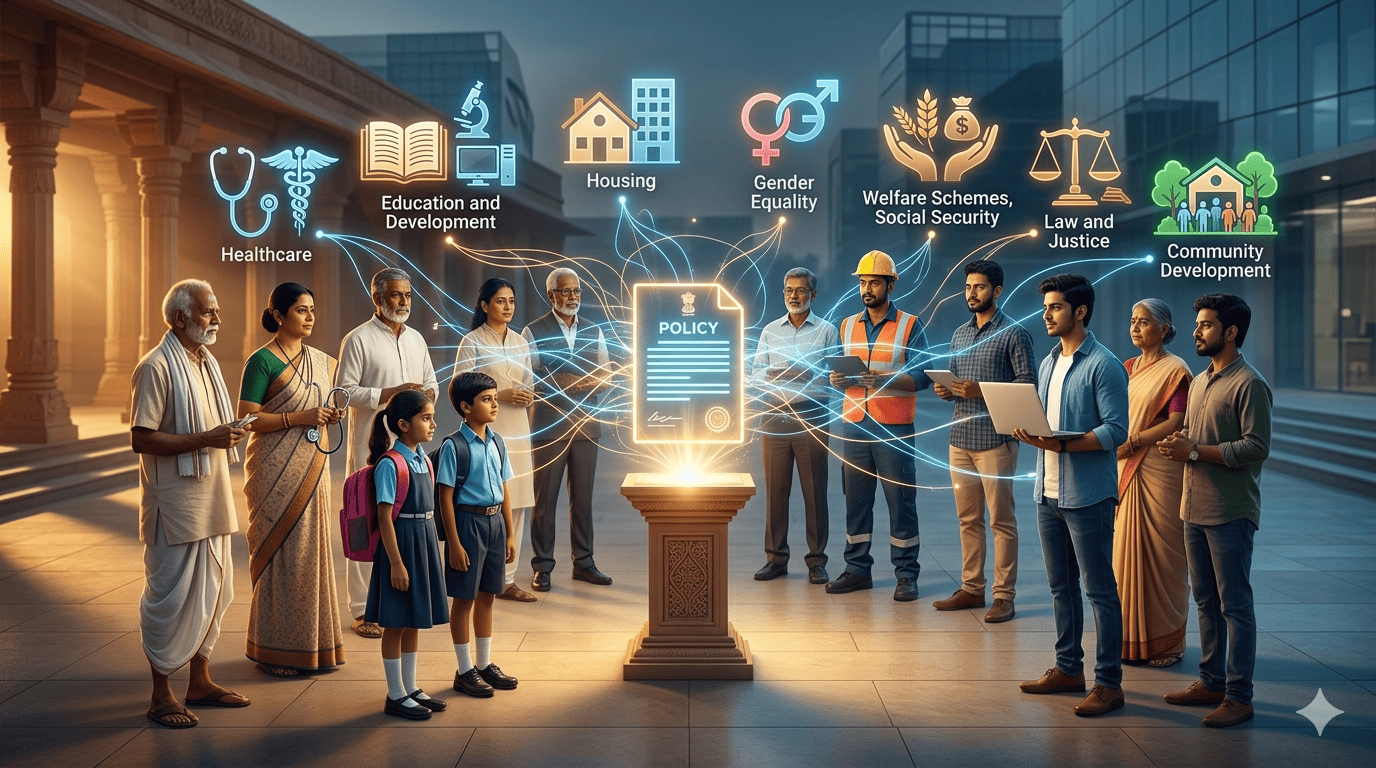
Social Structure, Public Policies, & Issues
సామాజిక నిర్మాణం, ప్రజా విధానాలు, మరియు సమస్యలు
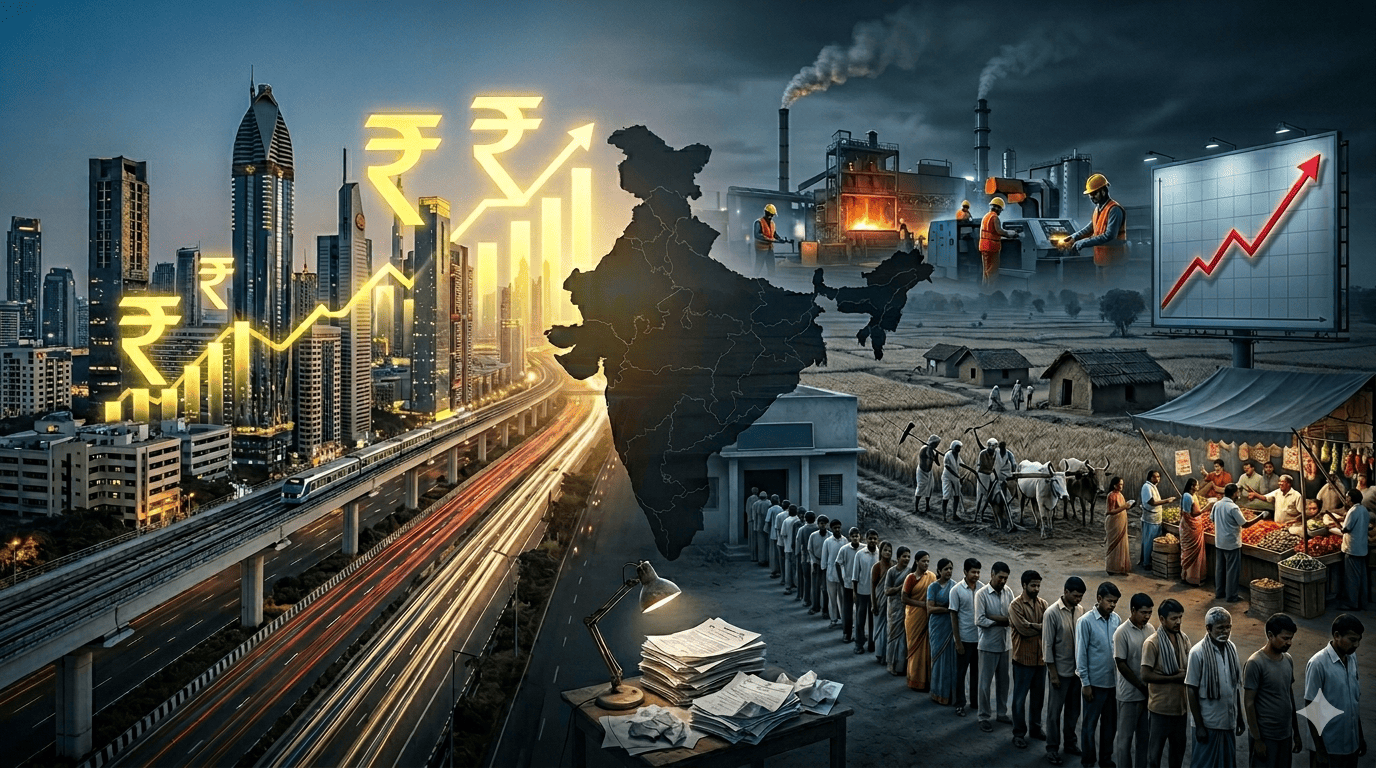
Issues & Challenges in Indian Economy
భారత ఆర్థిక వ్యవస్థలో ఎదుర్కొంటున్న సమస్యలు మరియు సవాళ్లు

Economy & Development in India
భారతదేశంలో ఆర్థిక వ్యవస్థ & అభివృద్ధి

Change & Development Issues
మార్పు & అభివృద్ధి సమస్యలు
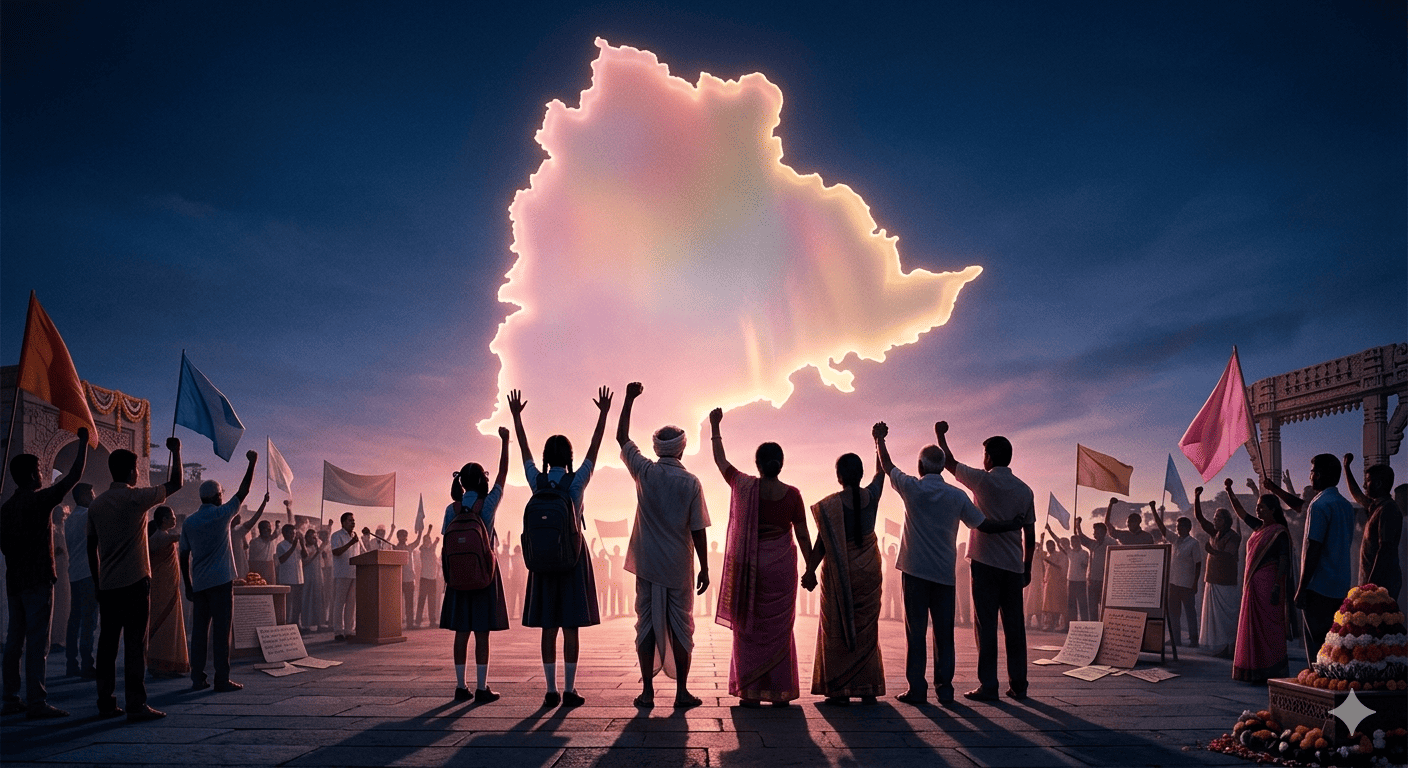
State Formation & Telangana Movements
రాష్ట్ర నిర్మాణం & తెలంగాణ ఉద్యమాలు

Secretarial Abilities
సెक्रటేరియల్ సామర్థ్యాలు
Mental Ability, Logical Reasoning, Comprehension, and Numerical Abilities.
మానసిక సామర్థ్యం, తార్కిక నిర్ధారణ, అవగాహన, మరియు గణిత నైపుణ్యాలు.
Frequently Asked Questions
What is the detailed structure of the TSPSC Group exams syllabus?
The TSPSC Group exams (Group I, II, III, and IV) are structured to thoroughly test a candidate's general awareness, analytical capabilities, and state-specific knowledge. The syllabus is broadly divided into General Studies & General Abilities, History and Statehood Movement of Telangana, Indian Constitution & Polity, Social Structure, Economy & Development (both National and State levels), and Science & Technology. For Group I and II, the exam consists of multiple papers covering these sections in deep detail, whereas Group III and IV focus on core general knowledge and secretary abilities. Understanding the detailed paper-wise syllabus and its distribution is the first step toward effective preparation.
How should candidates prepare differently for TSPSC Prelims versus Mains?
Prelims and Mains require distinct preparation strategies due to the difference in their testing formats. Prelims is an objective-type qualifying exam containing Multiple Choice Questions (MCQs) where the focus is on factual accuracy, speed, negative marking avoidance, and broad coverage of the syllabus. In contrast, the Mains exam is descriptive and analytical. Preparing for Mains involves writing long essays, structuring answers with a proper introduction, body, and conclusion, referencing constitutional articles, government statistics, and historical dates, and presenting balanced arguments. Aspirants must start Mains preparation early, integrating it with Prelims, but shift to extensive answer-writing practice once the Prelims is completed.
Why is the History and Statehood Movement of Telangana critical for scoring high marks?
The History and Statehood Movement of Telangana forms a substantial portion of the TSPSC syllabus, especially in Group I and II where it carries a dedicated paper of 150 marks. This section is divided into three major phases: the Idea of Telangana (1948–1970), the Mobilisation Phase (1971–1990), and the Towards Statehood Phase (1991–2014). To score well, candidates must master the details of regional agreements like the Gentlemen's Agreement of 1956, historical struggles, major committees (such as the Girglani Committee and Sri Krishna Committee), key personalities, literary works, local organizations, and slogans that shaped the struggle for statehood. Factual clarity on these events is highly tested in both Prelims and Mains.
What are the best strategies to cover the General Studies and General Abilities sections?
General Studies and General Abilities cover a vast array of topics, including environmental issues, disaster management, logical reasoning, basic English, international relations, and general science. Candidates should build a solid foundation by reading standard textbooks (like NCERTs and Telugu Academy books) and summarizing chapters into brief revision notes. Keep standard current affairs references handy to link daily news with static concepts—for example, mapping a new environment declaration to climate change protocols. Consistently practicing previous year papers and mock tests is highly recommended to improve speed, eliminate conceptual confusion, and build confidence in General Abilities.
How does bilingual study (English & Telugu) benefit TSPSC exam candidates?
Studying the syllabus bilingually in both English and Telugu is highly advantageous. The TSPSC exam question papers are printed in both languages, and regional terminology—such as name of state welfare schemes, administrative offices, local crops, land reforms, and historical phases—are deeply rooted in the regional Telugu vocabulary. Understanding both English terms and their Telugu translations ensures candidates interpret questions correctly, write descriptive Mains answers with high-quality regional terminology, and avoid losing marks due to translation confusion in objective questions.
How should current affairs be integrated into TSPSC preparation?
Current affairs should not be studied in isolation. Instead, candidates must integrate daily national, international, and regional news with the static syllabus. For example, when reading about a new central or state government scheme, link it to the Directive Principles of State Policy (Polity) or economic development goals (Economy). When reading about a geopolitical summit, relate it to international relations and India's foreign policy. This integrated approach helps in writing multi-dimensional answers in Mains and solving complex, statement-based questions in Prelims.
CrackSarkar study resources are carefully curated by subject experts based on the official TSPSC syllabus pattern. These bilingual guides and revision summaries are intended to help competitive exam candidates build a strong fundamental understanding of state and national issues.